Trans-Affirming Mental Health Care:

Fostering the Therapeutic Relationship

An expert panel will help clinicians deepen their understanding of transgender clients and strengthen their ability to build safe, effective, and affirming therapeutic relationships.
Psychosis in young people. Schizophrenia

Join us via ZOOM

Monday, June 8, 2026; 10 am - Noon ET

  • $35.00

    Awards 2 CE Credits - APA, NBCC, PA SW/LPC/MFT, ACT 48

    Enroll Today!

Course Objectives

Transgender youth and adults often face significant social, familial, and systemic stressors that can profoundly impact emotional and mental well-being. As clients explore or transition their gender identity, clinicians are called to be clinically informed and responsive to these unique challenges.

  • Understand the familial, social, political, and structural pressures impacting transgender youth and adults seeking mental healthcare and the role of affirming therapy in facing these challenges.

  • Identify practical interventions and supports for transgender clients, including affirming communication, client and family psychoeducation, & navigating the social, medical, and legal transition.

  • Adapt and strengthen existing therapeutic approaches to provide trauma-informed, culturally responsive, and affirming care for transgender clients.

  • Develop confidence collaborating effectively with clients, families, and interdisciplinary providers including writing letters of support for gender-affirming medical care.

Panelists

Adela (Dela) Scharff, Ph.D. (she/her)

Moderator

Adela Scharff, PhD is a licensed psychologist in Pennsylvania. She received her doctorate from the University at Albany, SUNY, clinical internship at Northwestern Feinberg School of Medicine, and a fellowship in Perinatal and Trauma Psychology at Rush University Medical Center. Dr. Scharff’s research and clinical areas of interest include treating trauma survivors, psychotherapy for marginalized and underserved populations including clients of color and transgender clients, and perinatal mental health. Dr. Scharff is a supervising psychologist at the Joseph J Peters Institute (JJPI) in Philadelphia.

Panelist

Leiszle Lapping-Carr, PhD. (she/her)

Assistant Professor, Northwestern University

Leiszle Lapping-Carr, PhD (she/her) is an Assistant Professor in the Department of Psychiatry & Behavioral Sciences at Northwestern University, where she serves as Director of the Sexual and Relationship Health Program and Co-Director of the Pride Center. Her research and clinical work focus on sexual and gender minority populations, with an emphasis on adapting evidence-based behavioral interventions to better serve Two-Spirit, LGBTQIA+ individuals, couples, and families. Dr. Lapping-Carr is an active educator and supervisor, training graduate students, interns, postdoctoral fellows, medical students, and psychiatry residents in interventions that support sexual, relational, and gender-affirming care. She also maintains a small clinical practice, working primarily with queer and trans individuals around sexual and mental health, including support during the perinatal period and gender-affirming care evaluations. A queer, married, non-monogamous, White, cisgender woman, she lives with her family and enjoys reading, cooking, crafting, camping, and puzzles.

Panelist

Kinton Rossman, PhD (They, Them)

Psychologist

Dr. Kinton Rossman is a White, queer, nonbinary psychologist based out of Chicago, IL. They specialize in Transgender, LGBTQ+ and trauma care with over 12 years of experience working transgender and nonbinary people across the lifespan. Dr. Rossman enjoys working with both individuals and families and have extensive experience working with parents and children. In their therapeutic work, Dr. Rossman emphasizes exploring relationships and interpersonal patterns to help people heal and have better relationships with themselves and others. Dr. Rossman is currently in private River Bend Counseling and Consultation and is a PsyPact provider.

Panelist

Courtney Clark "Cece" Armstrong, PhD (they/she)

Licensed Clinical Psychologist

Cece Armstrong, PhD (they/she) is a licensed clinical psychologist and Faculty Scholar in the Department of Psychiatry at Stanford University. Their work focuses on children, adolescents, and families navigating self-harm, suicidal ideation, and disordered eating, with particular attention to LGBTQIA+ youth. Dr. Armstrong also provides supervision to trainees and contributes to clinical research aimed at improving the effectiveness of evidence-based treatments, including DBT. A Black, neurodivergent, queer clinician, Dr. Armstrong lives in California with their spouse and two cats and is a proud New Yorker. Outside of work, they enjoy hiking, cooking, and tabletop and role-playing games.

Panelist

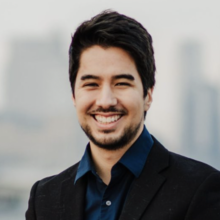
Kenji Kuramitsu, LCSW, M.Div, CGP (he/him)

Licensed Clinical Social Worker

Kenji Kuramitsu, LCSW (he/him) is a mental health and spiritual care professional based in Chicago. A licensed clinical social worker and board-certified group psychotherapist, his work focuses on youth and LGBTQ+ communities. He serves as Clinical Associate Faculty at the Chicago Center for Psychoanalysis and Adjunct Professor of Pastoral Care at McCormick Theological Seminary, and maintains a private practice at Kintsugi Psychotherapy PLLC. Kenji identifies as a cisgender, bisexual Japanese American and the child of a queer parent. He currently works in university chaplaincy and provides psychotherapy to LGBTQ+ young adults. His collaborative work includes leading group therapy programming at Howard Brown Health and managing social work services within a gender-affirming care clinic at Rush.

This course will benefit clinicians, counselors, social workers, psychologists, school support staff, healthcare providers, faith-based leaders, and other helping professionals seeking to promote the well-being of transgender youth and adults.